There is a version of this story where I tell you about leaving a comfortable life abroad to come back and build for India. That story is true — but it is not the point.
The point is this: a woman who feels unsafe is a woman who feels unsafe. It does not matter if she is in a village in Rajasthan, in a hospital in Kolkata working a 36-hour shift, or walking to her car at night anywhere in the world. The fear is the same. The calculation is the same. The weight of it is the same.
I have felt it too.
When I was 21, I moved to Hyderabad for my first job and lived alone for the first time. Getting to work was a daily negotiation — unfamiliar language, unfamiliar city, and the constant awareness of being watched. At one point, someone began following me. It went on for weeks — calls at night, waiting outside my house, showing up repeatedly. Nothing happened. But the fear stayed.
I did not know how to respond. I did not go to the police. I relied on colleagues, and eventually it stopped. But that experience stayed with me. It changed how I moved, how I thought, how alert I felt — all the time.
And that is the point.
These are not always headline incidents. Nothing may happen. But the fear is real. And women are expected to carry it, manage it, and move on.
I remember Nirbhaya. I remember the doctor in Kolkata — raped and killed after 36 hours on duty, in the hospital where she was supposed to be safe. I remember reading about a Dalit child who was attacked because she wanted to go to school. These are not statistics. These are failures — of systems, of infrastructure, of the assumption that safety is something women should manage on their own.
Safety is not a privilege. It is a right. And the fact that we have accepted its absence as normal — that is what Sakhi exists to challenge.
I have spent 15 years building AI systems that work at scale — systems that support real decisions for real people. I believe that technology, used with intent and backed by community, can change things that have seemed unchangeable.
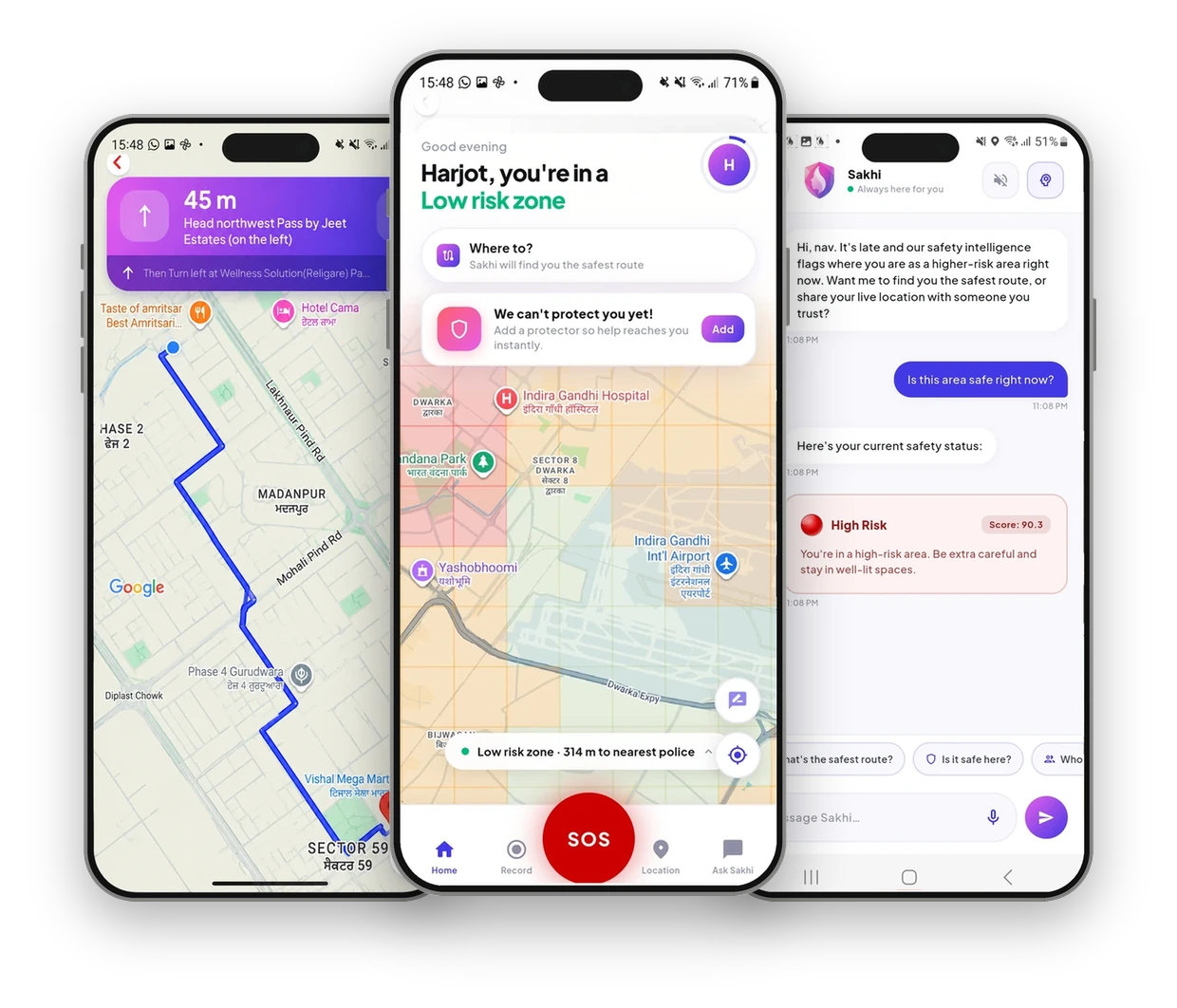
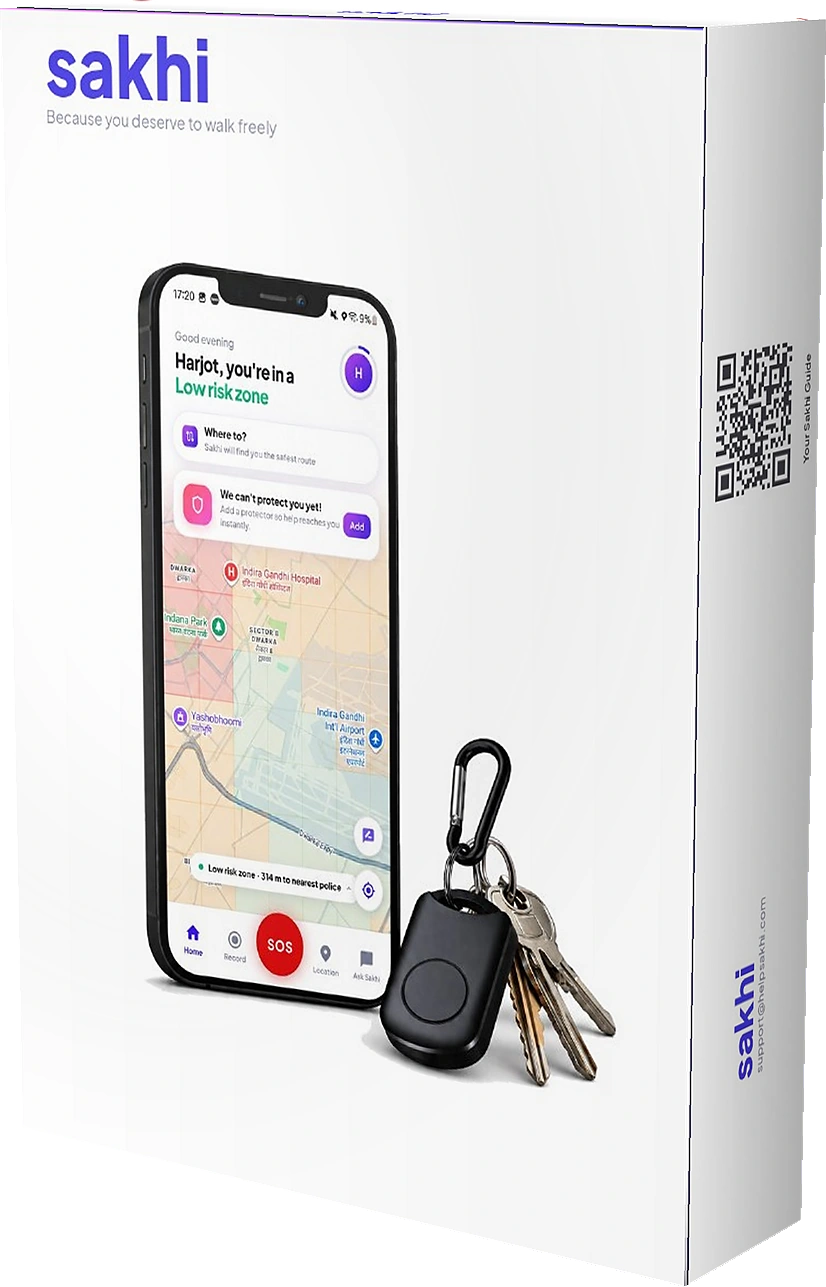
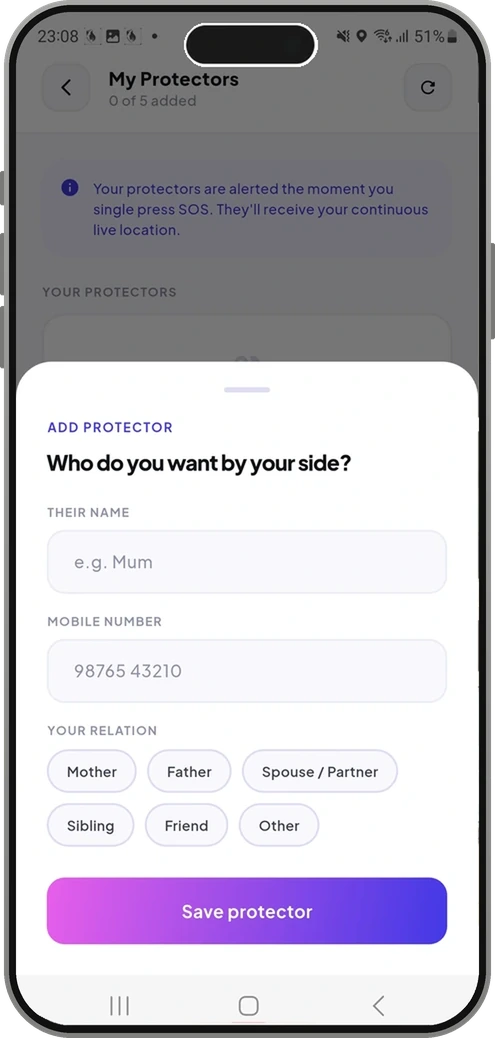
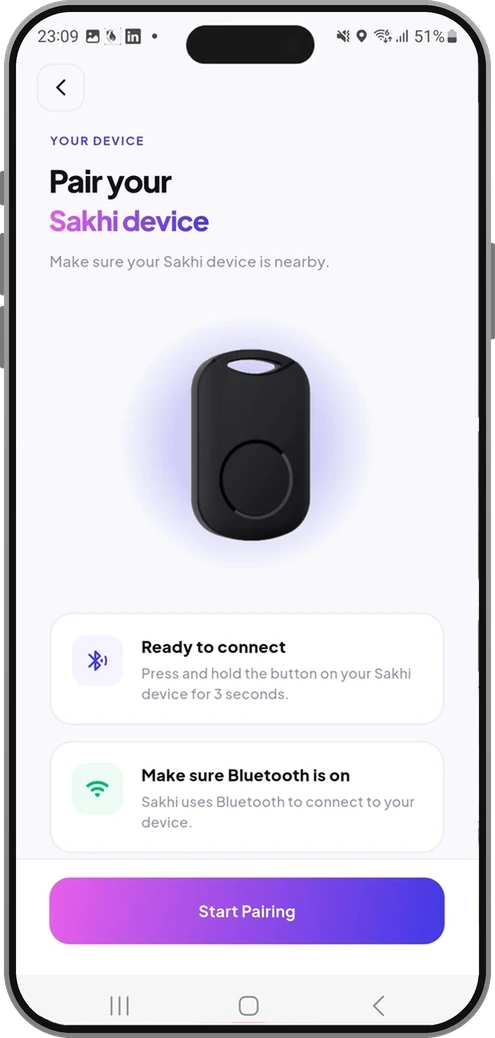
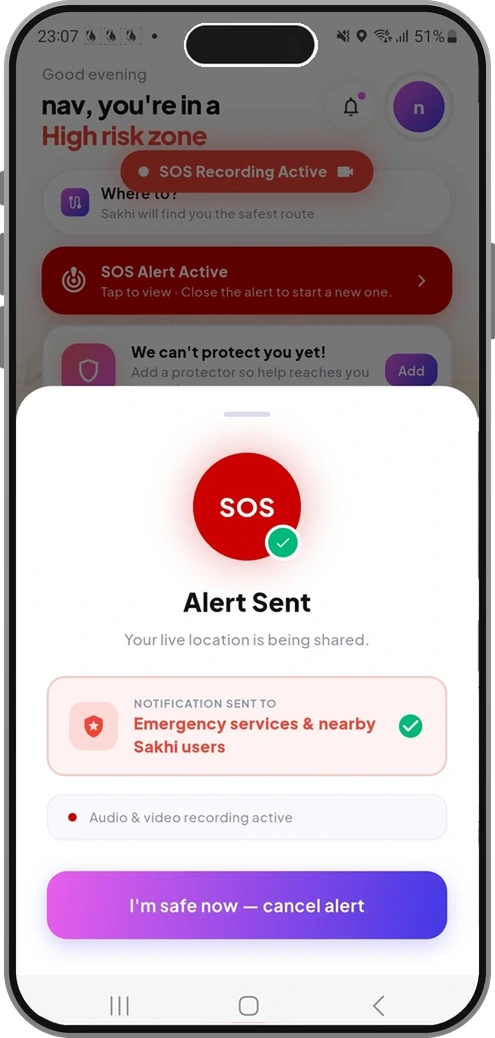
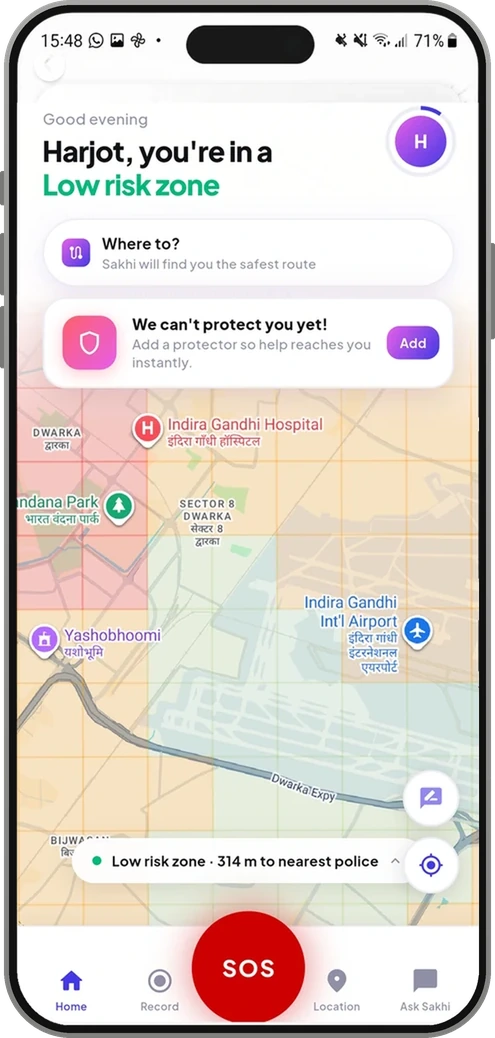
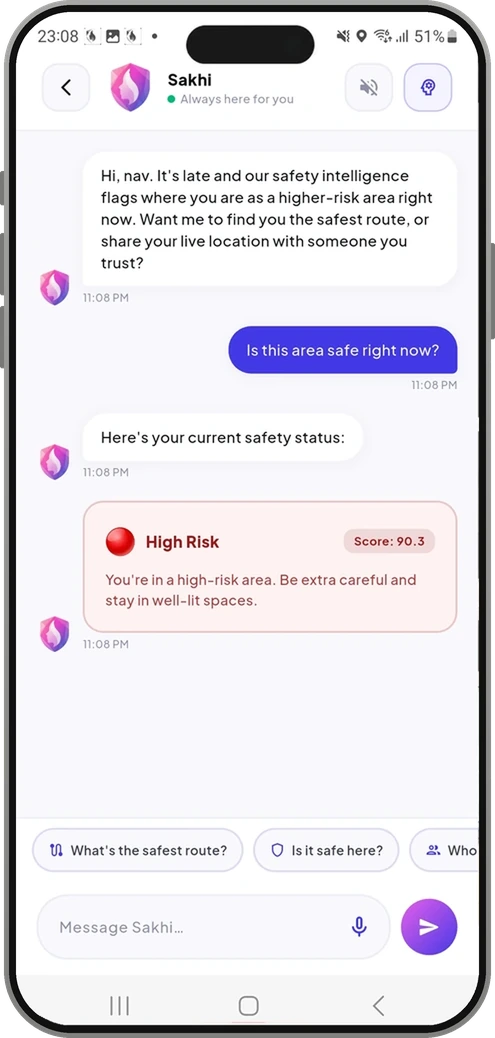
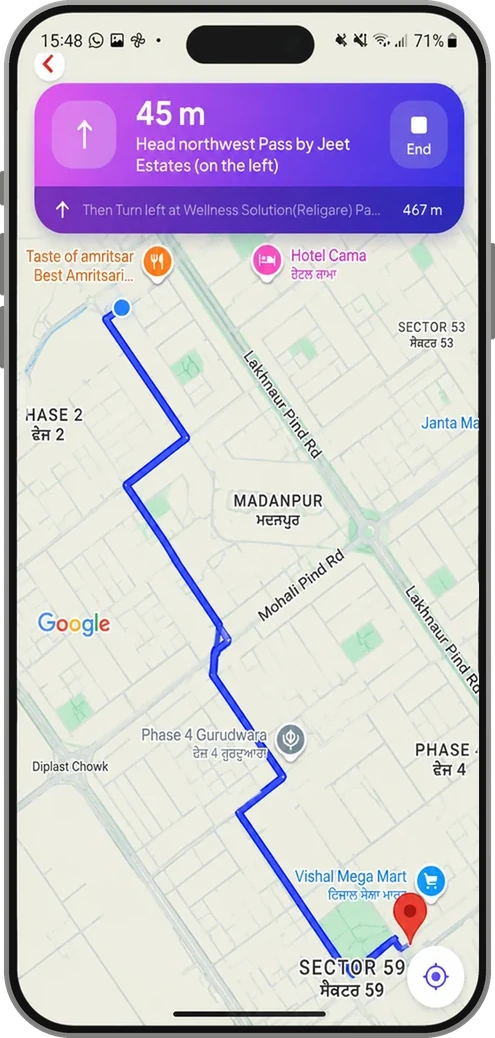
Sakhi is built for moments like these — before something happens, when something feels off, when a woman should not have to figure it out on her own.